
Wet mix concrete batching plant investments are increasingly considered by construction companies and ready-mix producers seeking stable concrete production and long-term operational efficiency. Choosing the right batching plant can directly influence project productivity, concrete quality, and overall profitability. Understanding how these plants work, their applications, and the factors affecting performance can help investors and contractors make more informed equipment decisions.
What Is a Wet Mix Concrete Batching Plant and Why It Matters in Modern Construction
Understanding Wet Mix Concrete Production
A wet mix concrete batching plant is a facility where all raw materials—aggregates, cement, water, and admixtures—are thoroughly blended into concrete before leaving the plant. Unlike dry mix systems, the concrete is ready-to-use, ensuring uniform consistency for delivery to construction sites.
Essential Materials for Wet Mix Concrete
The main components include:
- Aggregates sand, gravel, and crushed stone.
- Cement binds the mix into solid concrete.
- Water enables chemical reactions for hydration.
- Admixtures and supplementary materials improve workability, durability, or special properties.
Why Wet Mix Plants Are Valuable
Wet mix batching plants are ideal for projects that require consistent, high-quality concrete. By mixing materials centrally and controlling proportions, they reduce variability and ensure concrete meets project specifications, especially for large-scale infrastructure or commercial construction.
Core Equipment and Systems in a Wet Mix Concrete Batch Plant

Concrete Mixers: The Heart of Production
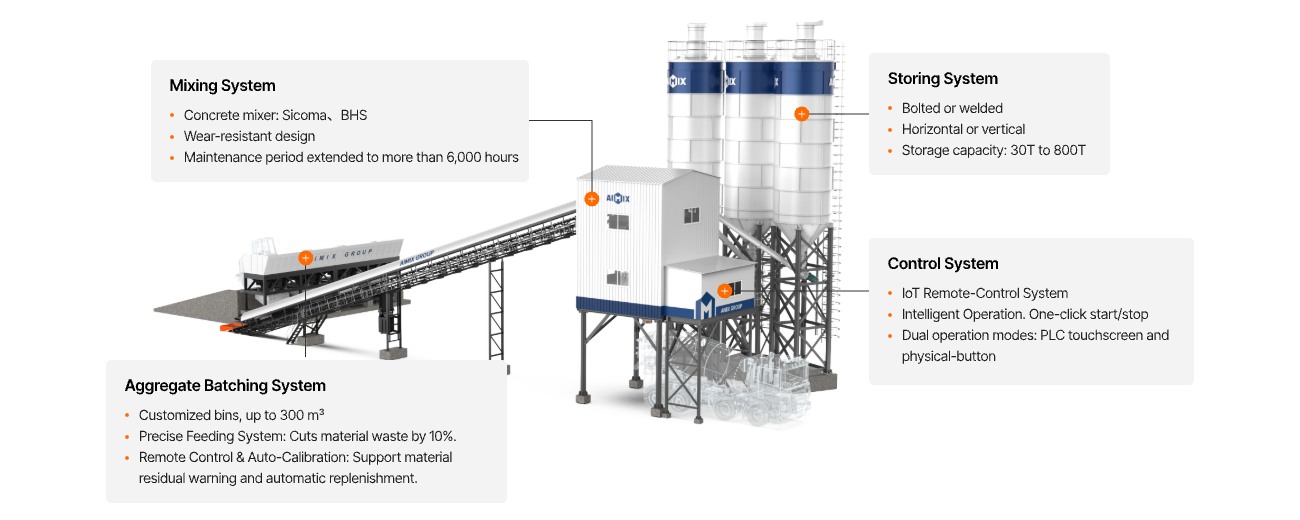
Concrete mixers blend aggregates, cement, water, and admixtures to produce uniform concrete.
- Twin-shaft mixers: high-capacity mixing for large infrastructure projects.
- Planetary mixers: precise, uniform mixing for precast or specialized applications.
Choosing the right mixer ensures both concrete quality and production efficiency.

Aggregate Storage and Conveying Systems
Efficient aggregate handling keeps production continuous:
- Bins and feeders organize different sizes and types of aggregates.
- Belt conveyors and skip hoists deliver materials smoothly to the mixer.
Stable material flow prevents delays and maintains consistent output.

Cement Storage and Feeding Systems
Cement silos and screw conveyors store and deliver measured cement, keeping it dry and uncontaminated. Accurate weighing ensures each batch meets design specifications.

Intelligent Control Systems
PLC-based automation manages batching, monitors production, and reduces human error. Real-time tracking optimizes efficiency and maintains consistent concrete quality.

Environmental Protection Systems
Dust collection and sealed conveyors reduce emissions and prevent spillage, ensuring compliance with environmental standards and safe operation, especially in urban projects.
Wet Mix Concrete Batching: From Material Preparation to Delivery
Raw Material Storage and Preparation Before Production
First, production starts with proper preparation of raw materials. Aggregates are stored in separate bins to keep grading consistent. Cement is kept dry in silos, while water and chemical admixtures are prepared in tanks. Proper storage and preparation ensure smooth and reliable concrete production.
Accurate Batching and Weighing of Concrete Materials
Next, each material is measured according to the mix design. Aggregates, cement, water, and admixtures are accurately weighed to maintain the correct proportions. Automated batching systems reduce errors and ensure consistency across all batches.
High-Efficiency Mixing Inside the Concrete Mixer
Then, measured materials enter the mixer, where mixing time and cycle are carefully controlled. This ensures uniform concrete with well-coated aggregates and fully hydrated cement. Proper mixing guarantees reliable workability and strength for construction projects.
Concrete Discharge and Delivery to Construction Sites
Finally, mixed concrete is discharged into transit mixers or delivery systems. Continuous production and coordinated scheduling keep concrete fresh and ready for use. Timely delivery supports smooth operations and prevents delays on the job site.
Major Types of Wet Mix Concrete Batching Plants
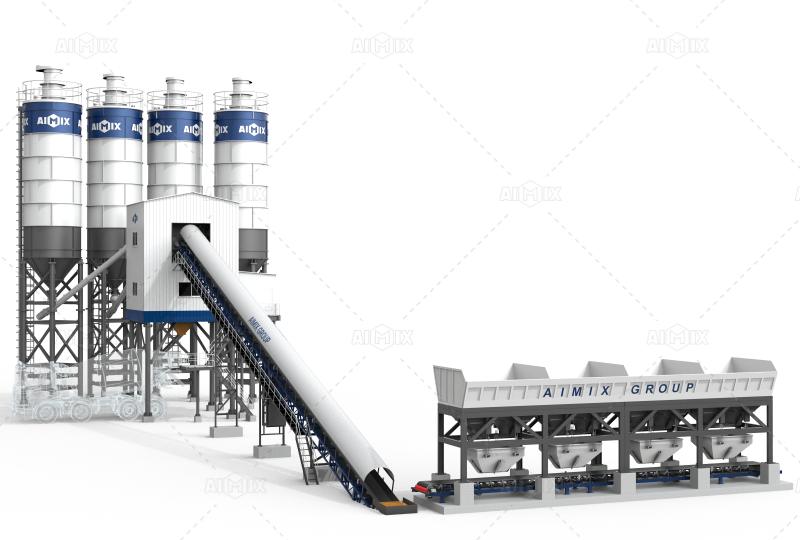
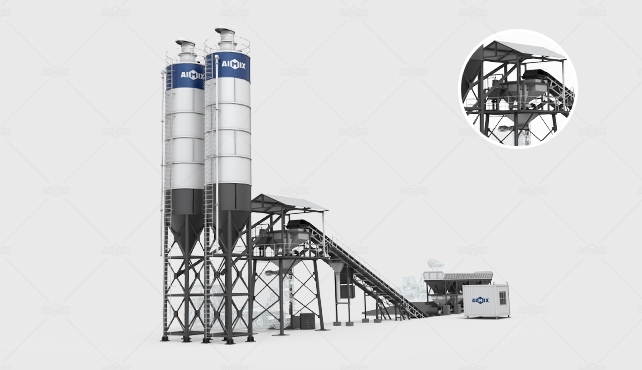
Stationary Wet Mix Concrete Batching Plant
Stationary type wet mix batching plants are designed for long-term, high-volume operations, with capacities of up to 270 m³/h, making them ideal for highways, airports, and urban redevelopment projects.
The stationary batching plants feature a fully computerized control system with real-time monitoring, data traceability, fault alerts, and a modular layout for easier maintenance and reduced downtime.
- Suitable for permanent job sites with dedicated space;
- High production capacity for continuous output;
- Modular designs allow future expansion or upgrades;
- Can integrate dust collection, water recycling, and automated controls.
Popular models: AJ-90, AJ-120, AJ-180
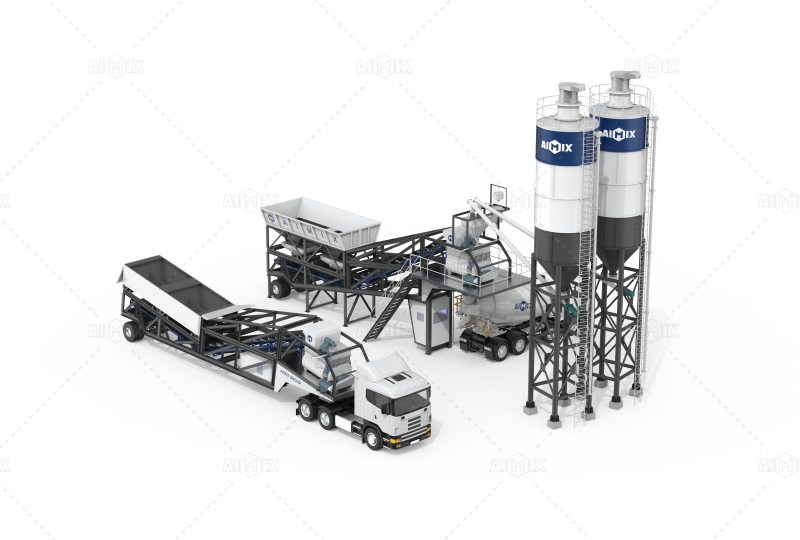
Mobile Wet Mix Concrete Batch Plant
Mobile type wet mix concrete batch plants offer flexibility and fast deployment, ideal for temporary sites, highway construction, and multi-site operations.
The mobile models feature intelligent control systems that automate batching, weighing, mixing, and discharging with high precision (aggregates ±2%, cement/water ±1%), and support remote monitoring and fault diagnosis for easy, efficient operation.
- Quick setup and easy relocation between sites;
- High adaptability to different terrains and project scales;
- Capable of producing various concrete mixes efficiently;
- Lower initial site preparation requirements compared to stationary plants.
Popular models: AJY-60, AJY-90
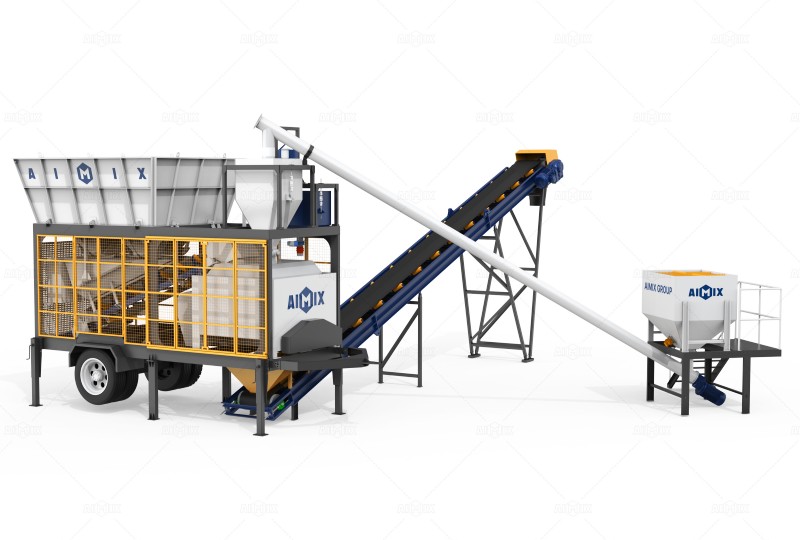
Compact Wet Mix Concrete Plant
Compact wet concrete batching plants are designed for space-limited sites, ideal for urban projects or smaller-scale construction.
This type of compact batching plant features extremely simple operation with manual or semi-automatic control, some higher-end models offer basic PLC, and both remote control and touchscreen modes make operation quick and intuitive.
- Reduced site preparation and foundation costs
- Fast installation and easy relocation within limited space
- Supports smaller urban or renovation projects effectively
Popular models: AJSY-40
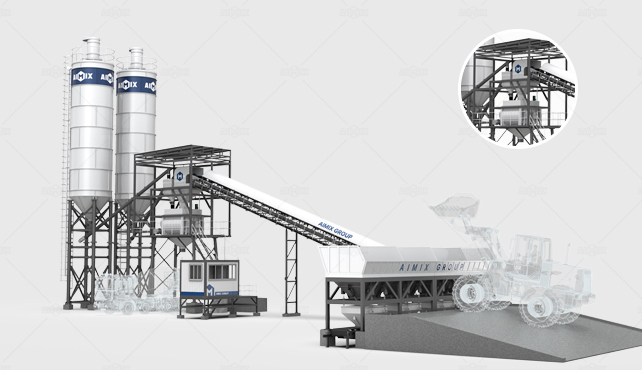
What Is The Difference Between Wet Mix and Dry Mix Batching Plant?
 |
 |
 |
|---|
| Feature | Wet Mix Batching Plant | Dry Mix Batching Plant |
|---|---|---|
| Mixing Process | All materials including cement, aggregates, water, and admixtures are fully mixed in the plant before delivery. | Dry materials are batched in the plant, while water is added and mixing is completed in a transit mixer during transport. |
| Output | Ready-mix concrete ready for immediate use. | Semi-mixed concrete requiring final mixing in the truck. |
| Concrete Quality | High consistency and quality due to controlled plant mixing. | Quality depends on proper water control and mixing in transit mixers. |
| Equipment Configuration | Requires batching system, mixer, water supply, and control system. | Simpler configuration without a central mixer. |
| Best For | Projects requiring strict mix control and consistent concrete quality. | Projects with long transport distances or flexible mixing requirements. |
| Transport | Delivered in ready-mix trucks for immediate placement. | Transported in dry form and mixed during transit. |
| Advantages | Consistent quality and precise mix design. | Lower equipment complexity and flexible mixing. |
| Common Applications | Infrastructure projects, commercial concrete production, precast manufacturing. | Small projects, remote construction sites, or areas with long transport distances. |
Production Capacity and Key Factors Affecting Plant Efficiency
Typical Production Capacities of Wet Mix Concrete Batch Plants
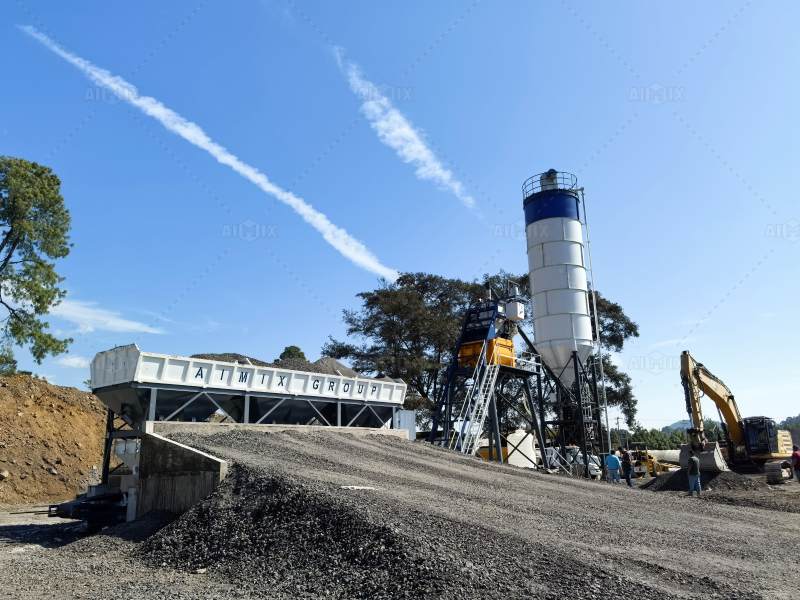
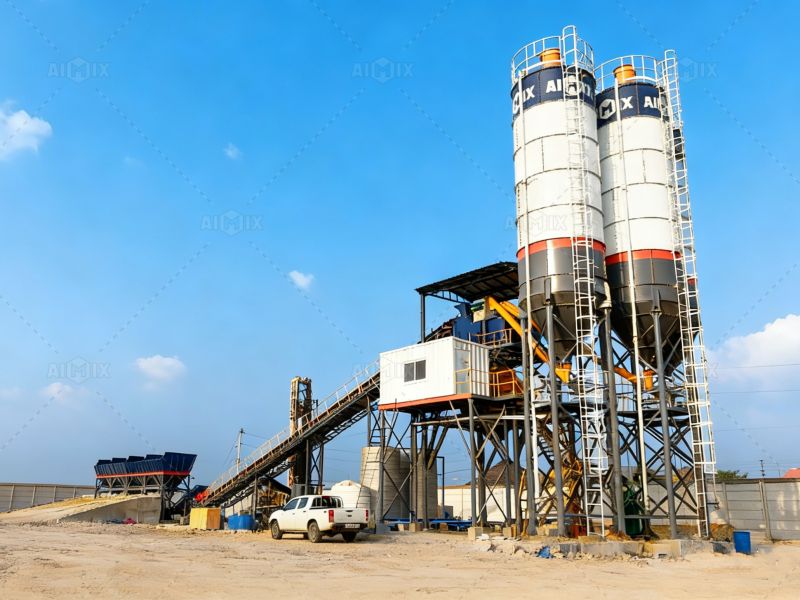
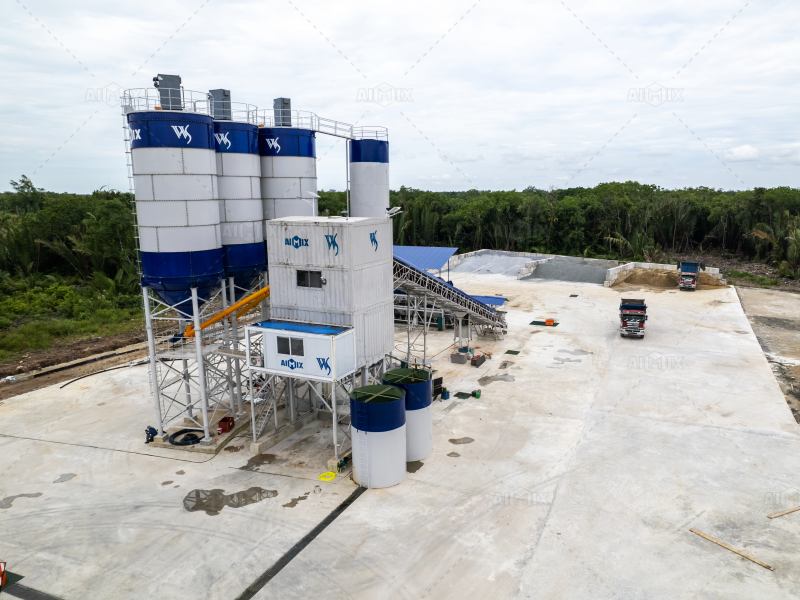
Wet mix concrete batch plants vary in production capacity depending on size and design.
- Small plants (25–60 m³/h): Suitable for small-scale or temporary projects, such as residential buildings or minor urban works.
- Medium plants (60–120 m³/h): Ideal for medium-scale construction projects, including commercial buildings and local infrastructure.
- Large plants (120–270 m³/h): Designed for high-volume operations, such as highways, bridges, or large industrial projects.
Understanding plant capacity helps project teams match the right equipment to project scale, avoiding underutilization or bottlenecks.
Technical Factors That Influence Actual Plant Output
While nominal capacity provides a reference, actual output depends on several technical factors:
- Mixer efficiency and mixing cycle time: High-performance mixers reduce cycle time and increase the number of batches per hour.
- Material feeding speed and batching accuracy: Efficient and accurate feeding ensures continuous operation without interruptions.
- Plant layout and equipment configuration: A well-organized layout minimizes material handling time and improves overall workflow.
Optimizing these technical aspects is critical for achieving consistent production and meeting project timelines.
Maintaining Stable Concrete Production in High-Demand Projects
In large or time-sensitive projects, maintaining a continuous and stable concrete supply is essential:
- Continuous material supply: Sufficient stock of aggregates, cement, and water prevents downtime.
- Efficient logistics coordination: Coordinated scheduling of delivery trucks and site operations ensures concrete remains fresh and ready for placement.
- Monitoring production performance: Real-time tracking of batch output, mixing cycles, and material usage helps detect and resolve issues quickly.
By focusing on these factors, contractors and plant owners can maintain high efficiency, minimize delays, and ensure consistent concrete quality, even under demanding project conditions.
Practical Applications of Wet Concrete Batching Plants in Construction Projects
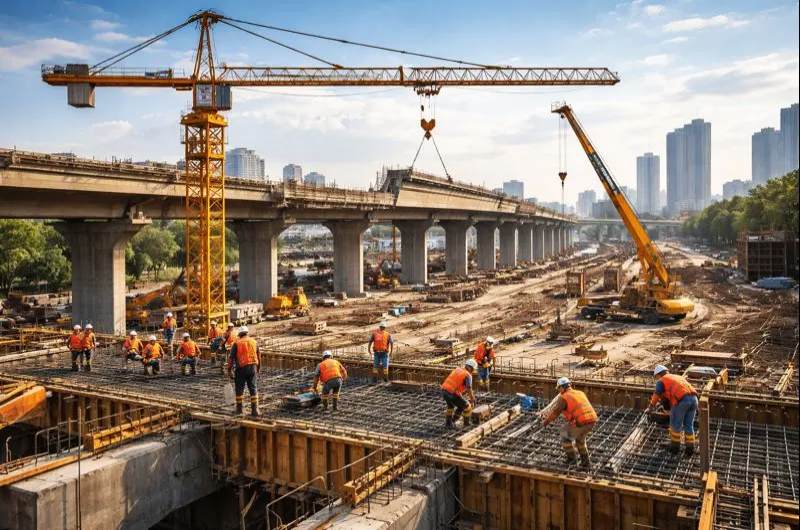
For Infrastructure Development Projects
Wet concrete batching plants are widely used in large-scale infrastructure projects where high-quality and high-volume concrete is required.
- Highways and expressways: Continuous concrete production ensures smooth paving and reduces delays in long road stretches. Properly mixed concrete improves durability and reduces maintenance needs.
- Bridges and tunnels: Structural stability depends on consistent concrete quality. Wet mix plants allow precise batching for high-strength concrete required in bridge decks, tunnel linings, and support structures.
- Airports and railway construction: Runways, platforms, and tracks demand uniform concrete for safety and performance. On-site wet mixing ensures timely delivery and maintains required workability.
By centralizing production and using automated control, these projects benefit from reliable concrete supply, minimal waste, and reduced logistical complexity.
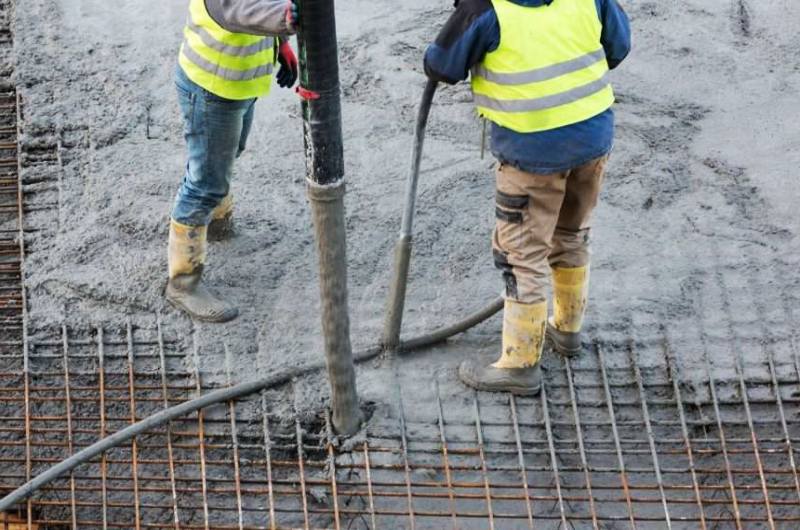
For Commercial Ready-Mix Concrete Production
Wet mix plants are also essential for commercial ready-mix suppliers, providing concrete to multiple construction sites simultaneously.
- Wet batching plants can manage different mix designs to meet various customer specifications, from high-strength structural concrete to standard workability mixes.
- Automated batching and mixing maintain consistent quality, ensuring every batch delivered meets engineering requirements.
- Flexible scheduling allows suppliers to coordinate deliveries efficiently, minimizing downtime on construction sites and maximizing plant utilization.
This makes wet mixing plants a backbone for the ready-mix concrete industry, supporting urban and regional development.
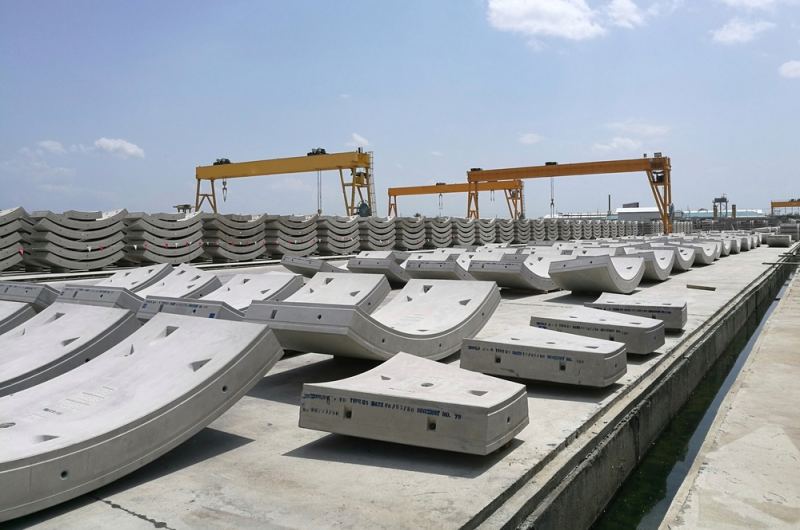
For Precast and Industrial Concrete Manufacturing
In industrial and precast concrete production, wet mix batching plants provide the controlled environment necessary for precision manufacturing.
- Precast components: Beams, slabs, and panels require uniform mix quality for structural integrity and surface finish.
- Concrete pipes and structural elements: Accurate mixing ensures durability, reduces cracking, and maintains dimensional consistency.
- Centralized batching also supports high-volume, repeatable production, improving efficiency in factory-based operations.
These applications highlight how wet mix concrete plants go beyond traditional construction sites, supporting specialized concrete manufacturing for industrial and precast projects.
Real Project Cases of Wet Mix Concrete Plants in Action
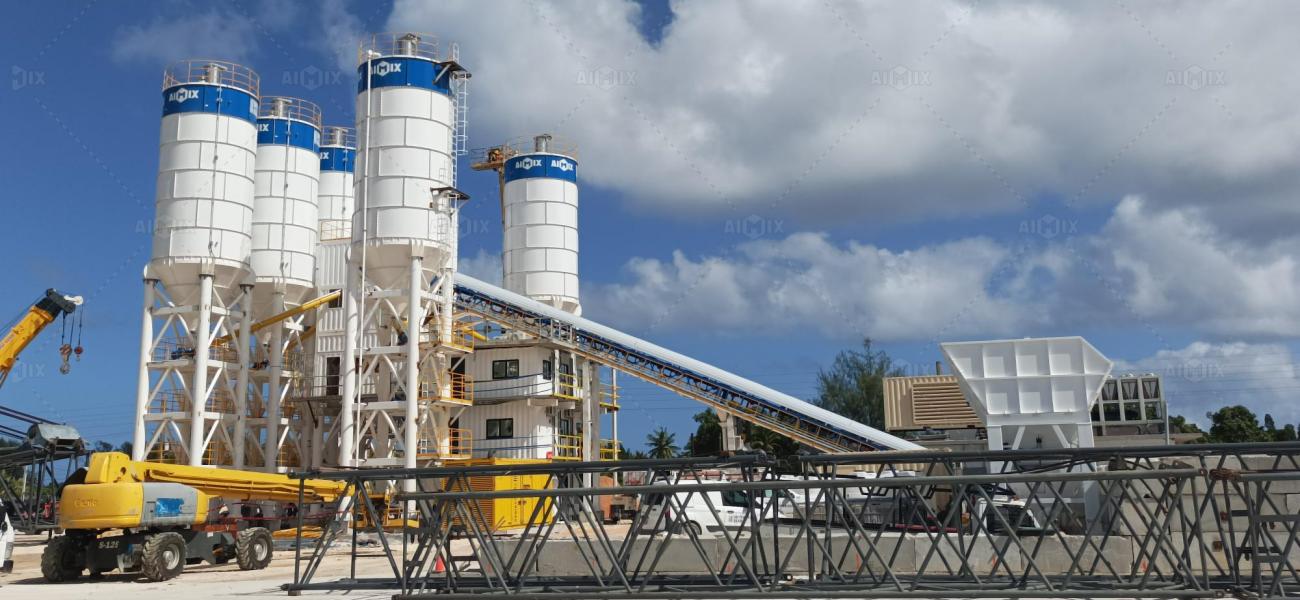
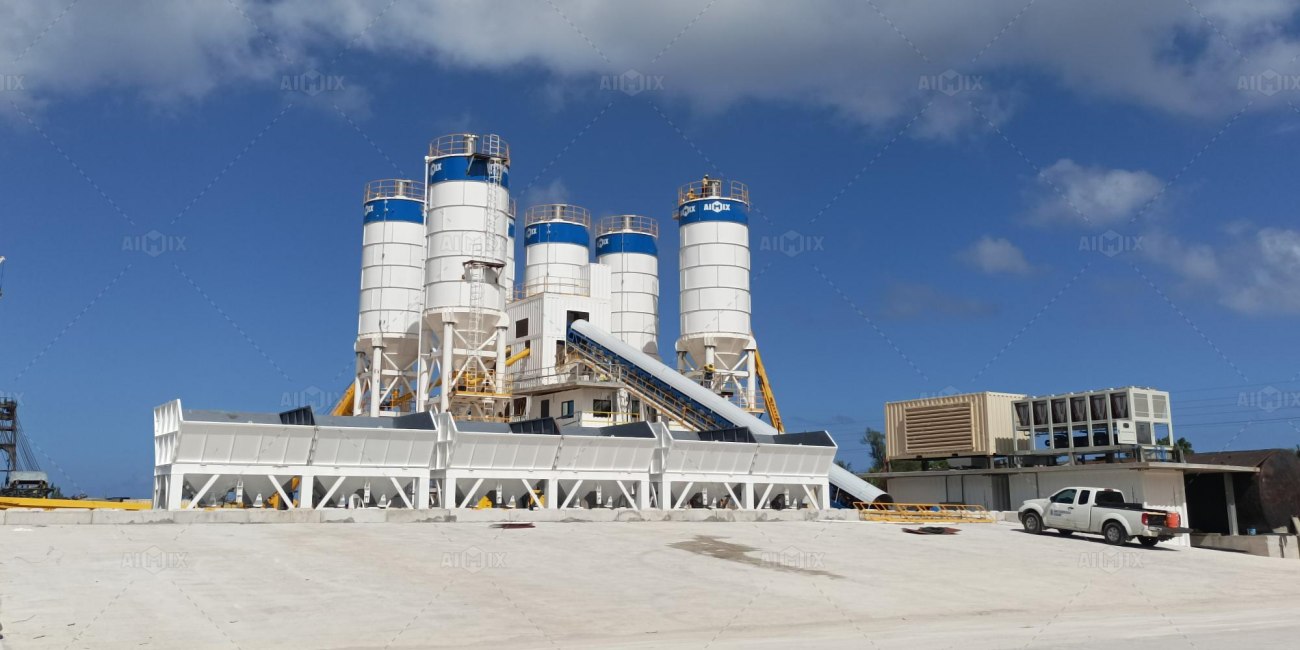
AJ180 Wet Mixing Plant for Infrastructure Projects
- Delivery time: 2026
- Location: In Guam
- Customer needs: The client required a high-capacity concrete batching plant to support U.S. government construction projects.
- Our solution: We provided the AJ180 batching plant, featuring an advanced automated control system and a robust structure designed to operate reliably in harsh island environments.
- Client feedback: “We are very satisfied with the equipment quality and the on-site service. The control system is easy to use and very convenient..”
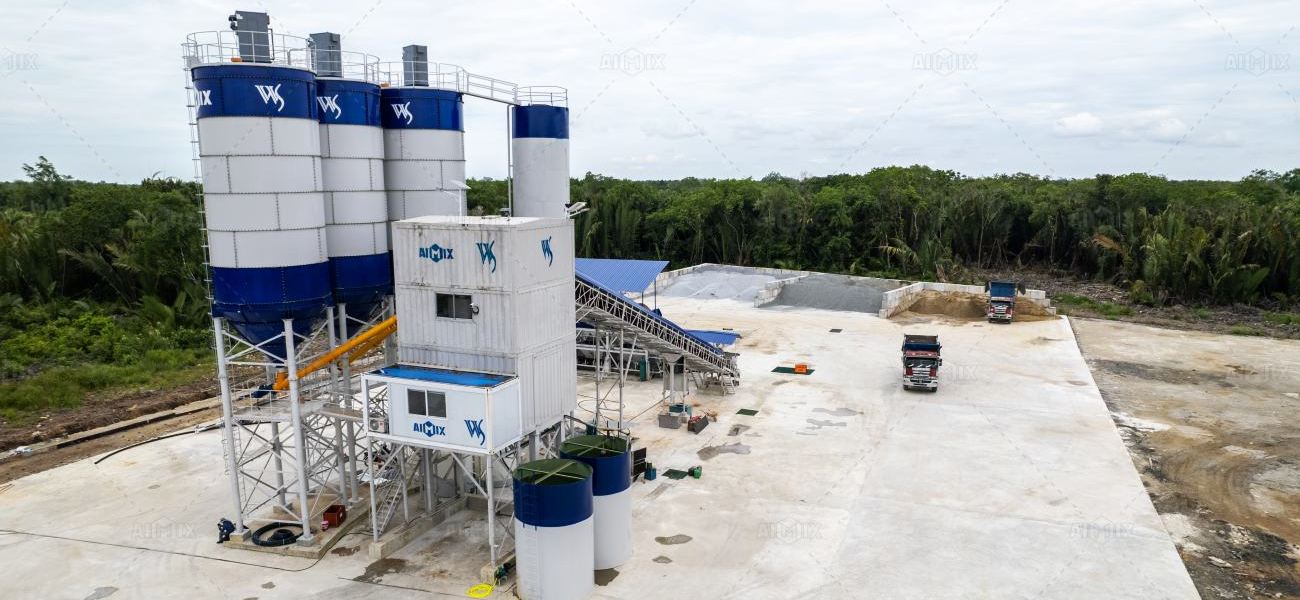
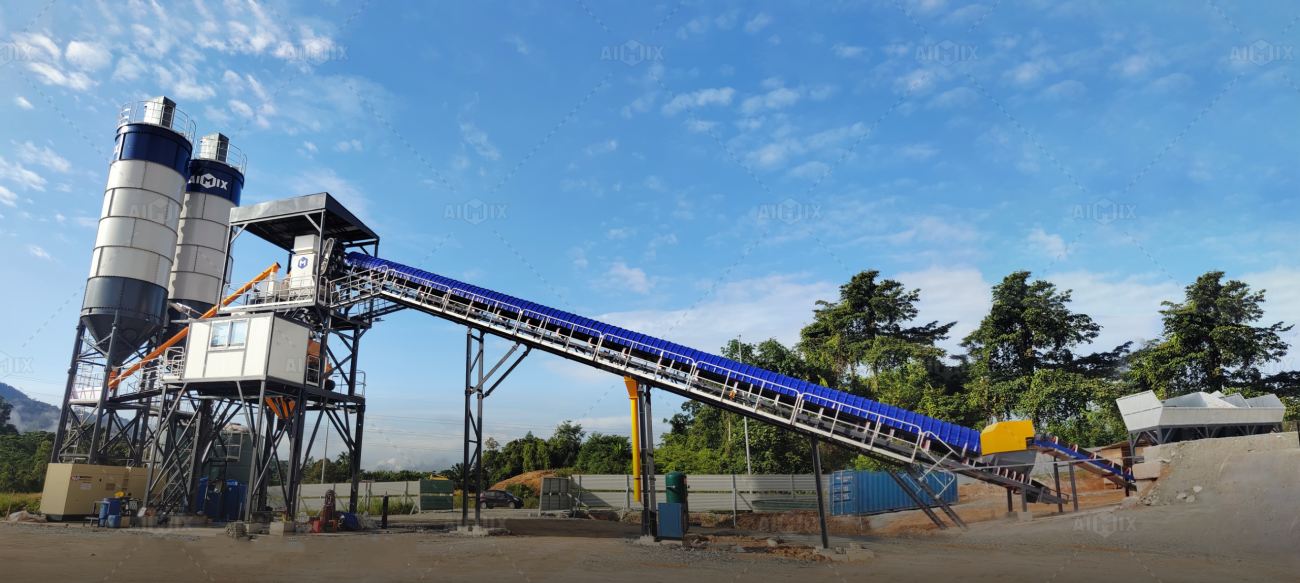
AJ180 Wet Batching Plant for Commercial Concrete Production
- Delivery time: 2025
- Location: In Malaysia
- Customer needs: To achieve faster batching cycles and provide high-quality concrete for customers.
- Our solution: We supplied an AJ180 concrete batch plant with 3m³ Sicoma mixer.
- Plant owner feedback: “This large plant meets our concrete production needs especially during peak construction seasons. We would be glad to introduce Aimix to other customers who have the need of concrete plants.”
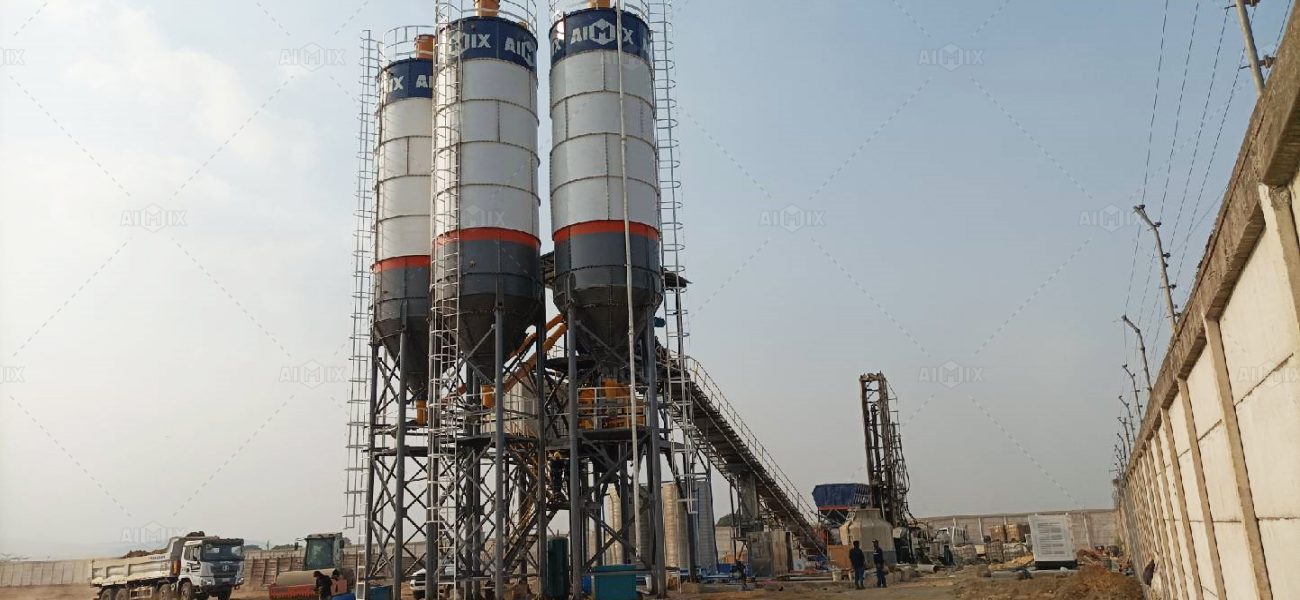
AJ90 Wet Mix Concrete Plant for Road Construction and Concrete Supplying
- Delivery time: 2025
- Location: In Ecuador
- Customer needs: To self-produce concrete for road construction projects and also to enter the local concrete supply market, reducing dependency on external suppliers.
- Our Solution: We provided the AJ90 wet mix batch plant equipped with Siemens motors and a high-precision automatic control system for reliable and efficient concrete production.
- Plant manager feedback: “We had zero experience with batching plants, but AIMIX made it really easy. Now we can produce concrete for our project and sell locally without any hassle.”
Key Advantages of Using a Wet Mix Concrete Batching Plant
Improved Concrete Quality Through Controlled Mixing
- Using a wet mix concrete batching plant ensures that every batch is precisely proportioned and consistently mixed, reducing human error and material variations.
- Contractors experience fewer quality issues on-site, such as uneven setting or segregation of aggregates.
- For engineers and project managers, controlled mixing means predictable strength and durability, which reduces rework and long-term maintenance costs.
- This reliability is especially critical for high-stakes structures like bridges, tunnels, and high-rise buildings, where concrete performance directly impacts safety and lifespan.
Higher Productivity for Large-Scale Construction Projects
- Wet mix plants allow continuous production of concrete, enabling projects to maintain a steady workflow.
- Construction teams benefit from faster supply to the site, reducing idle time for workers and machinery.
- Project managers can schedule multiple pours without worrying about delays, which improves overall project timelines.
- For large infrastructure projects, this advantage translates into fewer bottlenecks and smoother coordination, helping meet tight deadlines and budget constraints.
Greater Flexibility in Concrete Mix Design
- Modern wet batch concrete plants allow operators to adjust mix designs on demand, producing different concrete grades with ease.
- This flexibility supports projects with diverse structural requirements, from standard slabs to high-strength columns.
- Integration with admixture systems allows engineers to modify workability, setting time, or durability according to site conditions.
- For companies and contractors managing multiple projects, this means a single plant can serve various construction needs without additional equipment, saving both cost and space.
Cost Considerations and Investment Value of Wet Mix Concrete Batch Plants
Main Factors That Influence Wet Mix Plant Price
The initial cost of a wet mix concrete batch plant depends on several key factors:
- Production capacity: Larger concrete batching plants with higher hourly output usually cost more because they require bigger mixers, silos, and material handling systems. For example, the price of Aimix stationary AJ-25 batching plant starts at around $33,000, while the AJ-60 batching plant typically starts at about $78,000.
- Mixer type and automation level: Twin-shaft or planetary mixers with advanced automation command higher prices but improve mixing efficiency and consistency.
- Plant configuration and steel structure: Complex layouts, modular designs, and durable steel structures influence both batching plant equipment cost and long-term reliability.
Understanding these factors helps companies select a plant that fits their project scale and budget while ensuring long-term performance.
Additional Costs Beyond Equipment Purchase
Buying the concrete plant is only part of the investment. Additional costs include:
- Transportation and installation: Moving the plant to the site and assembling components can add expenses.
- Foundation construction and utilities: Stable foundations, power supply, and water connections are required for safe and efficient operation.
- Labor and training: Skilled operators are essential to run the plant effectively, and training ensures optimal use and reduced errors.
Considering these factors upfront prevents unexpected expenses and ensures smooth project setup.
Evaluating the Return on Investment for Concrete Production Businesses
Assessing ROI is critical before purchasing a wet mix concrete plant:
- Production volume and market demand: High-demand projects and multiple construction sites increase utilization, reducing per-unit cost and improving profitability.
- Long-term operational efficiency: Plants with automation, reliable mixers, and optimized workflows minimize downtime, material waste, and maintenance, contributing to higher returns.
By balancing initial costs with expected production capacity, operational efficiency, and market demand, contractors and investors can make informed decisions that maximize long-term value.
How to Choose the Right Wet Mix Plant for Your Project
Determining the Required Production Capacity
Selecting the right wet mix batch plant begins with quantifying your project’s concrete demand. Follow these steps for accurate planning:
Estimate Total Concrete Volume
For rectangular structures like slabs, walls, or beams, use:
Total volume (m³)=Length (m) × Width (m) × Thickness (m)
For cylindrical structures like columns or pipes:
Total volume (m³)=π × Radius (m)² × Height (m)
Multiply by the number of identical units if applicable.
Calculate Daily Production Requirements
- Daily production (m³/day) = Total volume (m³)/Project duration (days)
- Include a 10–15% buffer for unexpected demand or equipment downtime.
Match Plant Capacity to Project Needs
- Small projects (25–60 m³/h): Short-term or low-volume construction.
- Medium projects (60–120 m³/h): Commercial buildings or medium-scale infrastructure.
- Large projects (120–240 m³/h or more): Highways, bridges, and industrial projects.
Consider Peak Demand and Batching Cycles
- Ensure the batching plant can meet peak concrete requirements without delays.
- Factor in mixer cycle time, batching speed, and delivery logistics for continuous supply.
- This structured approach ensures the plant is neither overburdened nor underutilized, maximizing efficiency and cost-effectiveness.
Evaluating Site Conditions and Installation Requirements
Site conditions directly impact plant selection and operational efficiency:
Available land area: Allocate space for plant layout, aggregate/cement storage, mixer operation, vehicle access, and safety zones.
Guidelines: 200–500 m² for small/medium plants, 600–1000 m² for large plants.
Raw material supply logistics: Confirm reliable access to aggregates, cement, water, and admixtures. Local suppliers reduce transport costs and avoid delays.
Transportation access: Ensure roads can handle mixer trucks, delivery vehicles, and maintenance transport. For remote or soft-ground sites, plan temporary reinforcements.
Environmental and regulatory considerations: Noise, dust, and waste disposal rules should be addressed during planning to prevent fines or interruptions.
Proper site evaluation prevents costly modifications and ensures smooth, uninterrupted batching plant operation.
Selecting a Reliable Batching Plant Manufacturer
Choosing the right wet mix plant manufacturer ensures long-term reliability and operational support:
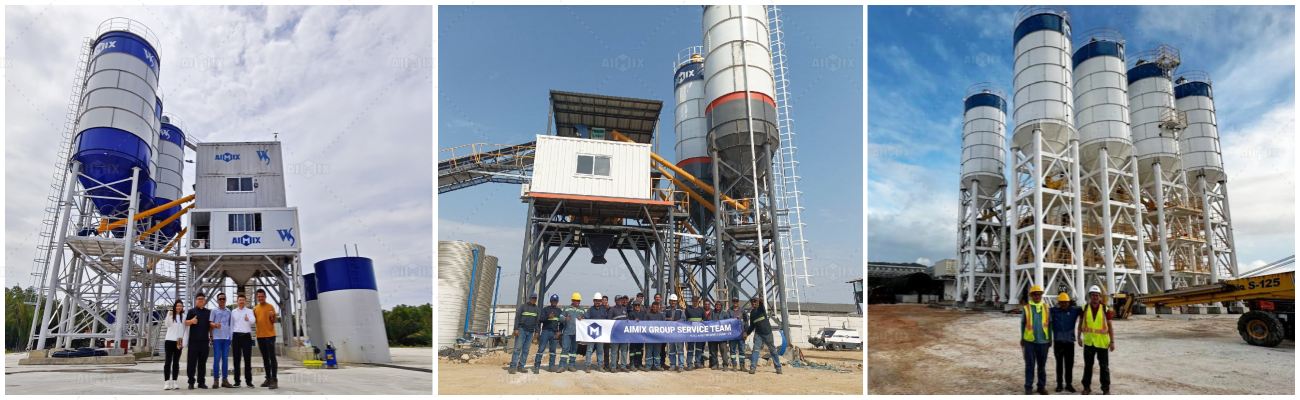
Manufacturing experience: Look for companies with proven track records, references, and completed projects in similar scales. Site visits or case study reviews are valuable.
Equipment quality and durability: Inspect mixer types, steel structure, automation systems, and spare parts availability. High-quality components reduce downtime and maintenance.
After-sales service and technical support: Confirm warranty coverage, response times, and operator training programs. Aimix offers comprehensive services for customers to ensure reliable plant operation and prevent production delays.
Customization and modularity: Ensure the plant can be adapted to your project, e.g., mobile layouts, modular silos, or multi-grade batching for future flexibility.
Selecting a trusted batching plant manufacturer minimizes operational risk and ensures that production targets are met efficiently and consistently.
Future Trends in Wet Mix Batching Plant Technology
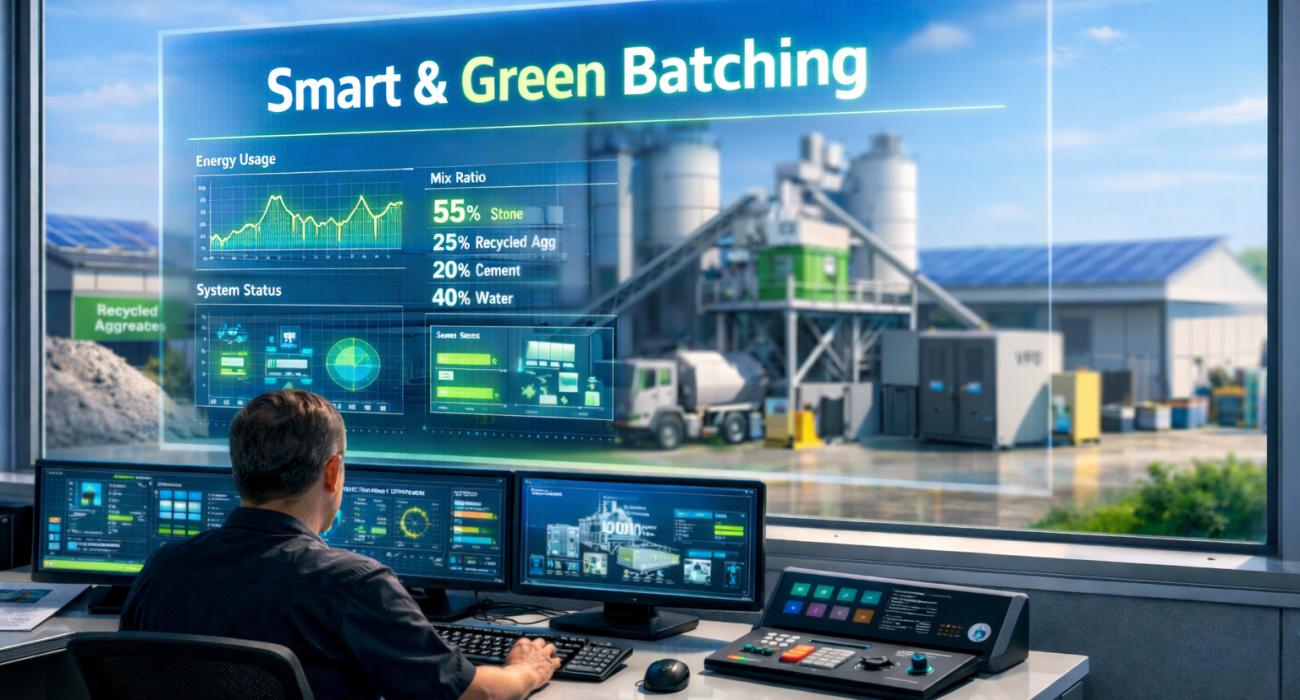
Smart and Digitalized Concrete Batching SystemsAutomation and digital control are becoming standard in wet mix plants. Nearly half of modern plants worldwide now use computerized batching systems to improve accuracy and reduce material waste. Real-time monitoring and predictive maintenance also help prevent downtime, ensuring a reliable concrete supply for high-demand construction projects. (According to Global Growth Insights)
Energy-Efficient Equipment for Sustainable ProductionEnergy-saving motors, optimized mixers, and variable frequency drives are increasingly adopted to lower electricity consumption and operational costs. These innovations enable plants to maintain high production efficiency while aligning with stricter environmental standards.
Supporting Low-Carbon and Sustainable Concrete ProductionThe trend toward low-carbon construction is driving batching plants to handle recycled aggregates and supplementary cementitious materials. Such practices reduce the carbon footprint of concrete production without compromising quality, meeting both regulatory requirements and sustainability goals.
Ready to boost your concrete production with a reliable wet mix batching plant? Contact us today to get a free consultation and customized solution for your project!